Coffee people are dedicated until the mug transforms boring. After that the search begins. If you're signed up for a Coffee Beans Delivered solution and you're ready to explore a brand-new roaster, you don't have to melt the entire arrangement down. You can pivot easily, keep your tempo of shipments, and learn faster than you would certainly jumping in between arbitrary bags at the supermarket. Done right, switching roasters can sharpen your taste buds and secure a far better match for your mixture equipment, your taste, and your schedule.
This overview draws on years of roasting schedules, green coffee purchasing cycles, and subscriber feedback loops. I have actually changed roasters mid-harvest, relocated consumers between blends and solitary origins, and negotiated launch calendars with partners throughout Australia and beyond. You'll find the bars that matter, the gotchas that hurt, and a useful path you can follow without missing your morning cup.
First, get clear on what you wish to change
Changing roasters is not just regarding the logo on the bag. It has to do with flavor profile, roast technique, freshness home window, and consistency. Two roasters can roast the same beginning and deliver completely different experiences. Before you touch your subscription setups, verbalize what you're going after. Are you burnt out of delicious chocolate and nuts and desire florals and citrus? Are you pulling espresso and having problem with sour shots? Are you on filter and obtaining a level cup beyond day 10? The clearness will certainly tighten your alternatives and stop you from cycling endlessly.
A quick taste buds inventory assists. Provide the last three coffees you liked and why. After that list the last 2 dissatisfactions and what fell short. Usage sensory terms grounded in truth. Assume ripe strawberry, chocolate nib, grapefruit enthusiasm, hazelnut, sugar, cedar, baker's delicious chocolate, jasmine, molasses, toasted almond. Currently overlay mixture context. Espresso likes thickness and roasting intent. Filter can take care of lighter profiles and even more unpredictable aromatics. Finally, think of your routine. If you consume 12 to 20 grams a day, a 250 gram bag lasts around two weeks. If your Coffee Beans Delivery arrives every fortnight and the roast peaks at day 7, you'll want to time shipments to land a few days prior to peak.
Understand exactly how roasters differ
Roasters express coffee. They choose on eco-friendly coffee sourcing, roast growth, batch dimension, airflow, and product packaging. Those options change your cup.
- Some roasters develop blends to hit a target taste week after week, even as harvests alter. Others prefer revolving solitary beginnings that show seasonal arrivals. Development time matters. Shorter advancement with higher fee temps can yield bright, crisp cup accounts with vivid level of acidity. Longer advancement at reduced heat can drive caramelization and body. Packaging differs. One-way shutoffs and nitrogen flushing expand shelf life. Paper bags without an internal barrier are less protective. Flavor language can be generous or shy. A roaster that publishes lime, jasmine, and bergamot on a cleaned Ethiopian is possibly toasting lighter. A bag that promises milk chocolate and nuts normally indicates a comfort roast.
If you're using a Coffee Beans Delivered Australia service, you'll see all of these styles in the mix. Numerous solutions curate revolving roasters, but the allowed changing system differs. Some let you choose the precise roaster per shipment. Others let you established design choices and they select within those. Before you switch, confirm the level of control you have.
How delivery cadence affects freshness and flavor
A good shipment program is a conveyor belt, not a live roulette wheel. Freshly roasted beans de-gas, optimal, and afterwards decrease. A lot of light to medium roasts open after 3 to 7 times off roast. Espresso often hits stride day 7 to day 14. Darker roasts can be drinkable right now, but they shed aromatics quicker. If your deliveries regularly come down on day 10, your initial coffee shots might be remarkable for a week, after that wander towards level. With filter, a week 1 to week 3 home window can taste lively if the roast is light and the green coffee is recent.
When switching roasters, validate roast-to-ship and ship-to-door timing. In Australia, east shore city distributions typically hit in 1 to 3 organization days. Regional deliveries can press to 3 to 7. For Coffee Beans Delivery Australia, numerous partners roast Monday or Tuesday, dispatch the exact same day, and land by Thursday or Friday. If your registration renews on Thursday and the brand-new roaster only roasts Tuesdays, you could receive coffee baked 9 days prior. Adjust your invoicing day so your order activates the day prior to their roast day. One email to support can repair this for the entire future schedule.
The sensible switch: what to change in your subscription
Changing roasters inside a Coffee Beans Delivered subscription must seem like exchanging lanes, not leaving the freeway. The actions vary by platform, but the bars are consistent: roaster selection, roast level, origin or mix type, work alternative, bag dimension, and frequency. Make one adjustment at a time, then review. If you alter five variables at the same time, you will not know which relocation aided or hurt.
Here is a tight list you can go through when switching over roasters:
- Check roast routine and delivery lead times for the brand-new roaster, then straighten your renewal date to land coffee 3 to 7 days off roast. Lock in a roast level that matches your mixture technique; if you primarily pull espresso, begin with roasts classified espresso or medium and adjust from there. Choose a beginning or mix with sampling notes that map to your goals; stay clear of leapfrogging from hefty delicious chocolate blends straight to ultra-light anaerobic naturals on your first switch. Keep bag dimension and regularity continuous so your test has fewer variables; adjust quantity only after you call in the brand-new roaster's profile. Turn off grinding ideally and grind fresh in your home; if you should purchase ground, specify your precise maker and fine-tune with feedback after the very first bag.
That solitary list covers the mechanical setup. It saves you from chasing phantoms that are truly timing or grind issues.
Expect a calibration period
Every roaster's curve acts in different ways in your gear. The coffee will certainly ask you to readjust work, dosage, temperature level, and get in touch with time. The first bag is data. Do not judge a roaster after two shots or one V60. Provide it a week, taste at days 4, 7, and 12, and make small moves.
For coffee, plan on a two to three factor work shift coarser or finer contrasted to your previous roaster. Lighter roasts typically need higher temperature levels and longer proportions. A typical beginning point is 1:2 to 1:2.3 in 28 to 34 secs at 93 to 95 C. If the shot is sharp and slim, go for more yield time and a touch finer work. If it's bitter and ashy, grind coarser or drop temperature one degree.
For filter, readjust work and dose instead of water temperature first. A mid-light roast that tastes hollow can gain from a somewhat finer grind and a slower pour to expand get in touch with time. If your drawdown delays, coarsen somewhat and minimize penalties by sifting or using a burr set that creates a tighter distribution.
Keep notes. You don't need a laboratory notebook, simply a couple of entries per brew session with dosage, grind referral, time, and a number of sensory words. You'll see patterns by the 4th brew.
Use seasonal context to your advantage
Roaster magazines breathe with the harvest schedule. Kenyan and Ethiopian washed coffees typically strike Australian racks from mid-year into spring. Fresh Main American arrivals usually fall late winter months to summertime, with great deals choosing a month or two prior to radiating. If you switch roasters right as a region revolves, you may confuse seasonal variation for roaster efficiency. Ask the service or the roaster if the whole lot is a fresh arrival or an end-of-season holdover. Fresh plant can taste punchy and intense with a little longer rest required. Older plant can skew woody or papery, covering up skilled roasting.
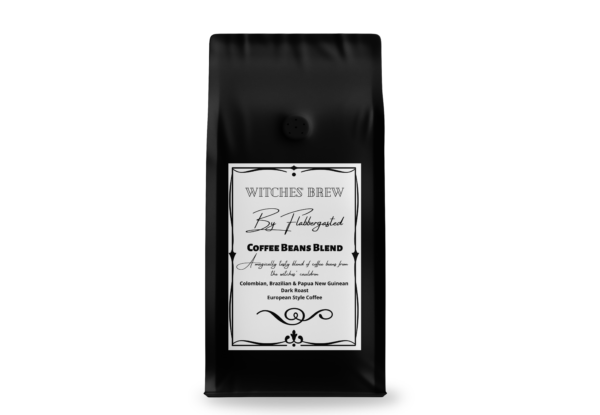
Some services offering Coffee Beans Delivered Australia release a regular monthly schedule of inbound great deals. If your preference leans to Kenyan blackcurrant and tomato fallen leave, time your switch for those arrivals. If you enjoy sugar-browning tastes and rock fruit from Guatemala or Colombia, plan for their sweet spot.
How to assess a new roaster fairly
Taste is subjective, but fair evaluation has framework. Beginning with repeatability. If you make the exact same dish three times, do you get similar outcomes? After that take into consideration arc. Does the coffee improve from day 3 to day 8, or does it peak early and discolor? Next off, array. Does it taste good throughout a tiny area of recipes or at one slim collection of conditions? A roaster that gives you a flexible home window is much better for daily drinking.
Look at flaw rates guaranteed. Quakers, cracked beans, and a shower of chaff can turn up in also terrific coffees, but the regularity matters. A couple of quakers in a 250 gram bag is acceptable, a handful in a 1 kg bag is much less excellent. Surface color harmony also tells component of the tale. For espresso roasts, a slightly much deeper shade with also advancement is normal. For light filter roasts, shade will certainly be lighter with even more variance, yet burning or tipping ought to be rare.
Finally, consider narrative sincerity. If the bag guarantees blueberry pie and lavender and you obtain brown sugar and cocoa, that inequality suggests either a various roast intent or advertising overshoot. Neither is deadly, yet if it repeats throughout bags, you may not be aligned.
Switching without waste: how to overlap bags
You can switch over roasters without discarding beans or running dry. The technique is a little overlap. If you consume one 250 gram bag every 10 to 2 week, order your initial bag from the new roaster to get here when you have concerning 30 percent left in your existing bag. Utilize your continuing to be old beans for dialing in work on day one, after that brew the brand-new bag with confidence. This saves your ideal cups for the brand-new beans and avoids a string of negative shots while you rate grind.
If you purchase kilo bags to save cash, think about splitting the initial button right into two 500 gram deliveries from the new roaster. Many Coffee Beans Delivery services allow short-term dimension modifications. Once you like the account and recognize just how it acts in your mill, go back as much as kilos. You'll pay a small costs for the first cycle, yet you stay clear of a week of concession if the suit is off.
Keep interaction lines open
Good solutions pay attention. If you report that the last 2 bags from Roaster A ran slim on coffee at your normal recipe and you favor extra caramelized sweetness, they can guide you to Roaster B's home blend or a medium roast Colombian that targets precisely that. When composing support, consist of concrete information: brew technique, dose, yield, time, mill make and grinder recommendation, tasting notes you desire and notes you wish to avoid. In Australia, numerous Coffee Beans Delivered groups can even move your next shipment to line up with a roast day you like, or flag your account to make sure that brand-new anaerobic naturals don't immediately land if you do not like ferment-forward coffees.
Roasters themselves often welcome comments if it specifies and respectful. If a specific whole lot channels more than normal on coffee, they might suggest a somewhat reduced dosage or a warmer preheat. Some will publish suggested dishes per great deal on their sites or Instagram tales. Make use of those as starting points, not gospel.
Price, worth, and the misconception of "costs or bust"
Price tells only component of the tale. A $22 to $26 250 gram bag from a regional roaster can outtaste a $30 bag if the environment-friendly coffee is current and the roast is lined up with your mixture method. Single beginnings set you back more when the manufacturer's lots are tiny or when the importer paid costs for high quality and traceability. Blends typically ride quantity effectiveness and can provide incredible day-to-day value.
When switching, do not assume that going greater instantly addresses your problem. If you're chasing more chocolate and less level of acidity for milk drinks, a $20 to $24 tool roast blend from a constant roaster can defeat a $32 flower Ethiopian solitary origin in your flat white. On the other hand, if you want head-turning filter aromatics on a Saturday early morning, a $28 to $34 cleaned Ethiopian or Kenyan can make good sense. The balance is frequency. If you drink 14 mugs a week, upgrading two bags a month costs an additional $8 to $16 per bag. Determine where you want those fireworks.
Logistics in Australia: a few realities
Australia's geography and postal network produce peculiarities. Interstate shipments can stall over weekends. Warm front can bake parcels in vans, which increases staling. In summer season, request for dispatch early in the week so your beans invest less days en route. If your structure has a warm parcel area, consider an authority to leave in a shaded spot or redirect to an office with cooling. Most Coffee Beans Delivery Australia services will certainly suit special instructions.
If you're in WA or local QLD, enable an additional day or more. That suggests you may choose roasters whose roast day straightens previously in the week to hit your door by Friday, offering you Saturday for your initial dial-in. Providers that hold shipments over weekend breaks to avoid storage facility sitting typically do so forever reason. Ask if they do, and prepare your switch around it.
Espresso versus filter: button method differences
Espresso is unrelenting. Tiny changes in roast profile produce huge changes in extraction. When switching over roasters for espresso, support predictability. Begin with the roaster's front runner espresso blend or their "residence espresso." These are engineered for security, and the group commonly releases a base dish. After two or three deliveries, step to single beginning coffee if you desire extra character.
For filter, you can take much more dangers. Rotating single beginnings make sense, specifically during peak periods for your favored beginnings. If you brew with immersion techniques like the AeroPress or Clever, you can tame brightness in really light roasts with longer steeps or bypass puts. If you make pour-over with flat-bed drippers, take into consideration exactly how a roaster's light roast will certainly grind on your burr set. Some light roasts require burrs that excel at clearness; if you own cone-shaped burrs that predisposition towards body, you might like medium-light roasts from the brand-new roaster instead of their lightest offerings.
What to watch in your mill when switching
Your mill's burr geometry communicates with roast color and thickness. Lighter roasts are denser and demand finer settings and even more energy to grind. If your electric motor reduces and you see a lot more boulder-fine spread, you might require to clean burrs or readjust the provider. Old fines from darker roasts can cling, muddying the initial cups of a new light roast. Purge 5 to 10 grams before your initial brew on a new roaster, particularly if changing roast levels.
If you make use of a stepped grinder, your previous setting may not translate. Mark your standard for the outbound roaster, then approach the brand-new beans gradually. For coffee, readjust one action each time and taste. For filter, adjust half a number or a few microns if you have stepless control. If your grinder has fresh burrs, expect a little burglary drift. The new roaster's lighter roast may highlight that drift for a week.
Storage details that really matter
Oxygen, warmth, and time wear down taste. Pick a roaster whose product packaging consists of a one-way shutoff and a correct barrier. As soon as opened up, think about transferring to a resealable container with a tight seal. You don't need expensive vacuums for weekly cycles, but stay clear of clear containers in sunshine. Don't ice up and unfreeze consistently. If you purchase in bulk, section single-use bags prior to cold, after that thaw sealed at area temperature over night. For day-to-day coffee cadence, a great, dark pantry works.
If you utilized to drain pipes bags within a week and the new roaster's profile flowers at day 10, change your usage pace or order dimension. The goal is to strike the pleasant window, not to chase some abstract idea of "fresh."
How to develop an individual rotation without chaos
Switching roasters can develop into an irreversible search if you let it. A smarter strategy is a rotation anchored by 2 constants and one variable. Select one roaster whose espresso blend you count on for milk beverages. Pick one roaster whose washed filter coffees match your quality preference. After that book one port each month for a wildcard from the Coffee Beans Delivered turning. You obtain stability for weekday mixtures and discovery on weekends.
Keep a brief shortlist of roasters that consistently provide for you. Review them seasonally to capture fresh arrivals. If you jump back to a previous favored and it underwhelms, inspect the aspects you now track: roast timetable suit, remainder time, and recipe.
When to desert a button and when to persist
Not every button sticks, and that's fine. If you've tuned grind, time, and dose across a complete bag and still can not coax pleasurable tastes, cut losses and pivot. On the other hand, if you liked 2 out of 3 sets from the brand-new roaster and one missed out on as a result of an environment-friendly coffee style you don't favor, continue with a various origin. Communicate your choices, adjust your picker setups if the service allows, and provide the roaster another shot with an account closer to your taste.
One useful guideline: evaluate at least two distinct whole lots from a roaster prior to creating them off. One bag can be an outlier or a mismatch. Two bags revealing the same inequality possibly show misalignment with your taste buds or https://blogfreely.net/gwyneyxzxh/grind-and-go-coffee-beans-delivery-with-personalized-grind-options gear.
A couple of examples from the field
A home barista in Melbourne drew milk drinks on a warmth exchanger machine and desired more sugar and less citrus snap. He switched over from a light-medium single origin espresso to a roaster's home blend that targets milk. He straightened shipment to land four days post roast. Grind changed 2 notches coarser, temperature level held, and he boosted body and sweet taste. Expense visited $4 per 250 gram bag and he secured consistency. On weekends, he kept a different filter membership for washed Ethiopians, landing around day 7 to 10 off roast.
A filter-first enthusiast in Brisbane chased after exotic naturals and maintained obtaining ferment-heavy mugs that tired the taste buds. She changed to washed solitary origins from a roaster that roasts notably light however tidy. She moved her billing to Monday to capture Tuesday roast and Thursday shipment. Her preliminary tasted slim. She responded by grinding slightly better and extending flower times, after that readjusted pour price to stretch total mixture time by 20 secs. The coffee snapped into emphasis day 6, with clarity and floral notes she desired. She learned to rest that roaster's great deals longer and now staggers distributions to maintain one bag at day 7 while an additional rests at day 3.
Working within Coffee Beans Delivery services
If you rely on a Coffee Beans Delivery system rather than buying straight from roasters, deal with the platform as your attendant. Numerous solutions allow you:
- Tag your preference for coffee or filter and pick roast level, after that switch over roasters without transforming those tags. Set delivery tempo relative to roast days, so you consistently land in the optimal window. Pause or skip shipments when a noted roaster doesn't fit your taste or when you travel. Add notes that follow your account, such as avoid hefty ferment or prefer Brazil parts in blends for milk drinks. Upsize or downsize momentarily to check a new roaster without committing to a kilo.
These choices turn switching over right into a regulated experiment. You still enjoy the variety that Coffee Beans Delivered models assure, with much less randomness.
Final ideas from the cupping table
Switching roasters is not a dishonesty. It is how you improve your taste and respect the diversity of coffee. The trick is to change with intent: specify your target, straighten logistics to quality, make one adjustment at once, and evaluate with framework. Utilize the toughness of Coffee Beans Delivery services to smooth the edges. If you remain in Australia, respect the roast calendars and delivery facts that shape your mug, and work with them, not against them.
Above all, allow the mug overview your decisions. If the new roaster makes you expect your first pour every early morning, you chose well. If not, readjust. Coffee is a moving target, and that belongs to the joy.