Decaf enthusiasts utilized to have a rough time. For several years, decaffeination was a footnote at the end of a menu, a single unfortunate bag on a rack, beans baked for high levels of caffeine enthusiasts and removed of their spirit along with the caffeine. That has actually altered. Specialty roasters now treat decaf like a first‑class passenger, utilizing far better decaffeination techniques, more thoughtful roasting contours, and transparent sourcing. If you pick thoroughly, Coffee Beans Delivery can bring decaf to your cooking area that really preferences like coffee worth your attention.
I have actually collaborated with roasters that build decaf profiles from scratch, cupped thousands of great deals, and lived through the experimentation at home when a decaf espresso shot either sings or pouts. This guide gathers what actually matters for decaf drinkers buying online, consisting of just how to examine beans prior to you purchase, exactly how to call in for drip and espresso, and where to locate the very best Coffee Beans Delivery solutions with consistent decaf. I'll likewise cover local factors to consider, including Coffee Beans Delivery Australia and what shipping across cross countries does to a bean that is already much more vulnerable than its caffeinated counterpart.
What "great decaf" actually means
Great decaf has a peaceful self-confidence. It tastes like the origin on the label, not like a common roast note. In the cup, you want sweet taste, a spherical level of acidity that doesn't bite, and a clean finish without the woody echo that tormented older decafs. The beans need to be fresh and undamaged, not peppered with chips or papery flakes, and they should grind similarly to regular coffee with only a bit much more fines.
Decaf's reputation experienced because early procedures used rough solvents and roasters dealt with decaf as a second thought. Modern decaf frequently makes use of 3 methods: Swiss Water Process, Ethyl Acetate (usually called Sugarcane or EA), and carbon dioxide. They eliminate 97 to 99.9 percent of high levels of caffeine. Each approach has a flavor finger print, and if you can check out between the lines on a product page, you can predict your mug before it come down on your doorstep.
Decaf procedures described, without the fluff
Swiss Water Process relies upon osmosis and carbon filtration. Beans are soaked in eco-friendly coffee essence so caffeine moves out of the bean, then filters trap the high levels of caffeine. There are no included solvents. Taste has a tendency to skew toward cacao, nuts, and toasted sugar, with somewhat muted brightness. Swiss Water whole lots match drinkers that favor traditional convenience notes, and they master milk beverages since they bring body without sharp acidity. The procedure is done in Canada, so if you remain in Australia or Southeast Asia, factor in transit time for green coffee also before roasting.
Ethyl Acetate, typically marketed as Sugarcane decaf, uses EA derived from fermented sugar. The beans take in EA and water, high levels of caffeine bonds with EA, after that it is evaporated off. Done right, sugarcane decaf maintains more origin character and brighter fruit. You will see Colombian EA decaf everywhere due to the fact that Colombia has both sugarcane and decaffeination plants, which shortens the supply chain. If you delight in stone fruit, soda pop notes, or a little citrus, sugarcane decaf can be dynamic without transforming sour.
Supercritical CO2 presses carbon dioxide into a state that acts like a solvent for high levels of caffeine. It is reliable and clean, however is much less usual amongst smaller sized specialty roasters because of cost. The result often tends to be neutral and very clean, often a touch lean. If you like a contemporary light roast that is all clearness and no fudge, carbon dioxide decaf can shine.
You will still face methylene chloride (MC) decaf, typically classified "European procedure" or simply "MC." It is safe at the levels utilized, however taste can really feel a little hollow. Some roasters still select MC for cost or familiarity. If it's a roaster you trust, try it, however if you're brand-new to decaf, begin with Swiss Water or Sugarcane for a higher hit rate.
Origin and selection still issue, even without caffeine
Caffeine is not flavor. It sits together with hundreds of compounds that shape fragrance, sweet taste, and level of acidity. When high levels of caffeine leaves, structure changes, however beginning and altitude still introduce themselves. High‑altitude Colombian decafs keep a cola and cherry lift. Ethiopian decafs, particularly natural‑processed before decaf, can carry blueberry jam or bergamot throughout the goal. Brazil decafs are the chocolate chip cookie of coffee: foreseeable, nutty, cozy, wonderful for espresso.
Decaf environment-friendlies do reveal a lot more external wear after processing. The cell framework swells and relaxes, which makes them a little more prone to scorching and cracking. A mindful roaster will certainly compensate with mild warmth early in the roast, and a somewhat longer advancement to construct sweet taste without tipping into smoke. If a roaster extols treating decaf the "like routine," that's not the flex they assume it is.
What to look for on a product page
Decaf buyers live and pass away by the details. When ordering from a Coffee Beans Delivery solution, scan for a few certain signals.
- Fresh roast date and roast cadence. You want clear roast dates and a timetable that shows decaf is not a monthly second thought. Weekly decaf roasts are ideal. Decaf approach and origin openness. "Decaf mix" without any process or origin is a warning for generic flavor. Brew guidance customized to decaf. If a roaster uses various grind or proportion suggestions for decaf, they have in fact examined it. Packaging that shields. One‑way valves and resealable bags are basic. If shipping throughout states or overseas, look for recyclable multi‑layer bags that withstand oxygen. Delivery options that fit your usage. Membership versatility, skip months, and the capacity to choose grind size aid if you are calling in for espresso at home.
Those 5 checkpoints conserve money and time. If two or three are missing, keep browsing.
How delivery and storage space alter the equation
Beans continue to degas and oxidize after roasting. Decaf off‑gasses somewhat much less than normal coffee, yet it still needs a couple of days to resolve. For filter coffee, 4 to 2 week off roast is a sweet area. For espresso, decaf typically gains from 7 to 21 days, specifically sugarcane whole lots that can really feel spritzy if you pull them as well fresh.
Delivery rate matters most when you live much from the roaster. If you are ordering Coffee Beans Delivery Australia from a roaster in Melbourne and you live in https://canvas.instructure.com/eportfolios/3498951/collincdtr722/eco-friendly-alternatives-to-conventional-cream-charger-usage Perth, anticipate 3 to 6 days in transit with conventional message. Heat injures coffee greater than chilly. A bag that spends two days in a hot van in January will certainly taste flatter than a bag shipped throughout shoulder seasons. If a roaster uses cold‑chain or reveal alternatives throughout warm front, pay for it.
At home, stand up to the freezer for your "active" bag. Use the fridge freezer for longer storage only. Split a kilo right into 100 to 200 gram portions in impermeable, freezer‑safe containers, freeze the portions you won't use within 2 weeks, and thaw sealed to space temperature prior to open up to prevent condensation. Do not refreeze.
Dialing in decaf for filter and espresso
Decaf fractures differently under the burrs. Expect much more penalties and a narrower variety of perfect work setups contrasted to regular beans from the exact same roaster. It is not your grinder's fault; it is the chemistry of the bean after decaffeination. Adjust with intention.
For filter methods like V60, Kalita, or set brewer, start a little coarser than you would certainly for a similar caffeinated coffee. Use a 1:16 to 1:17 ratio, water around 94 to 96 C if your pot enables, and a slightly greater frustration early in the mixture to encourage removal. If the cup checks out level or papery, tighten up the grind a notch and expand overall brew time by 10 to 20 secs via a slower last pour. If it tastes bitter or astringent, coarsen a little and reduce anxiety. A TDS meter helps, however your tongue is enough.
For decaf espresso, stress can subject imperfections quickly. Begin with a recipe you recognize, then nudge variables. I frequently start at 1:2 proportion in 28 to 34 secs, with a somewhat greater dosage than typical to support body, and I go down temperature level by 1 C compared to the exact same roaster's routine coffee. Decaf often tends to remove fast, so if you see spurting at a normal grind, go finer and accept a slower preinfusion. If your maker enables circulation control, a gentle ramp for the very first 8 to 10 seconds can save a shot that wishes to network. Milk drinks like sugarcane decaf, while straight shots of Swiss Water sing when you highlight chocolate instead of go after fruit.
Why registrations help decaf enthusiasts greater than informal buyers
Decaf freshness home windows are flexible, yet schedule variety is narrower than for caffeinated coffee. Registrations allow you lock in decaf baked on a schedule, not an afterthought bag drew from the back rack. The best Coffee Beans Delivery services offer decaf‑specific subscriptions that rotate sugarcane and Swiss Water lots, often with seasonal blends for espresso. This gives you a standard you can trust, and you can relocate your mill a click as opposed to going back to square one every bag.
Subscriptions additionally smooth out the delivery variables. Predictable deliveries aid you prepare storage and lower the temptation to over‑buy. Some roasters allow delivery stops briefly during traveling, and a few allow you set the precise shipment weekday so you can get the bag at work rather than allowing it cook on a porch.
The decaf taste range, in plain language
Think about decaf by taste households. Classic cocoa and nuts decafs make dependable everyday brews and cappucinos. Fruit‑forward decafs scrape the crave intriguing pour overs when you want a coffee after dinner and still rest well. Spice‑tilted decafs with clove or cinnamon notes can really feel joyful in winter months and stand up to milk or oat milk without disappearing.
If you favor darker roasts, decaf can manage it, yet ask the roaster whether their "dark" is a growth choice or an advertising tag. Real dark roasts on decaf risk a tarry finish unless the roaster reduces the roast to avoid sweltering the already‑stressed surface area. The most effective dark‑leaning decafs taste like dark chocolate and caramelized sugar instead of ash.
Regional facts: Coffee Beans Delivery Australia
Australia's coffee scene is one of the most standards‑driven on the planet, which self-control encompasses decaf. Many Australian roasters offer sugarcane Colombian decaf since it ships efficiently and endures the long leg much better than some fragile origins. When you surf Coffee Beans Delivery Australia, you will observe sincere tasting notes and make guides tuned for home devices, which helps since Australian kitchens often operate on small espresso equipment that demands precise beans.
Shipping across the continent can be longer than you anticipate. Roasters on the eastern coastline usually roast and send off the same day; west coastline customers see 3 to 7 days depending upon solution. If you're buying throughout summer, search for early‑week send off to prevent weekend warehouse holds. Some roasters in Australia nitrogen flush bags for longer life span. The advantage is genuine if you purchase multiple bags at the same time, but if you drink a bag within 3 weeks of roast, nitrogen behaves to have, not essential.
Local language matters in product pages. "Decaf sugarcane" and "EA" are interchangeable. "Swiss" nearly always means Swiss Water. "Blend" could be seasonal and tune toward milk as a result of coffee shop culture. If you're a coffee enthusiast with a little home machine, choose decafs marketed as "espresso" or "milk‑friendly," not due to the fact that put over decaf will certainly fail on espresso, but because espresso‑marketer decafs are roasted for solubility and will certainly save you a day of calling in.
Choosing a roaster you can stick with
Switching roasters every bag can be enjoyable, yet with decaf, a core stable of 2 or three roasters elevates your hit price. What I try to find when I evaluate a brand-new decaf supplier is not a unicorn cup, but competence that appears consistently.
- A decaf‑specific roasting profile. If they discuss changing charge temperature, airflow, and finish temperature level for decaf, they recognize the craft. Multiple decaf options in turning. At least one sugarcane and one Swiss Water, revitalized seasonally. Customer feedback that points out decaf specifically. Generic five‑star scores conceal information. Look for notes about extraction simplicity and taste descriptors that sound like actual cups. Fair cost about regular beans. Decaf costs a lot more at source. A little costs is regular; a substantial void is not. Reasonable delivery for your area. If delivering doubles the expense of a bag, look closer to home or subscribe for reduced rates.
Those five signals typically correlate with far better mugs and fewer duds.
How blends and solitary origins play out in decaf
Blends exist for stability. In decaf, they additionally help fill in the mid‑palate that processes can thin. A mix may pair a sugarcane Colombian with a Brazil to supply chocolate, almond, and a soft red fruit radiance. If you make coffees or flat whites, that blend will certainly carry through milk and offer you foreseeable results fired after shot.
Single beginning decaf raises when you brew it for quality as opposed to power. An all-natural Ethiopia decaf blossoms, literally and figuratively, with a somewhat longer bloom and a mild two‑pour pattern on a V60. Washed Colombia decaf likes a Kalita or batch brewer where even removal supplies soda and apple. On espresso, solitary beginnings can be unpredictable, yet when you land a pleasant area, they outperform blends for straight shots.
The budget plan concern: when to spend lavishly, when to save
Decaf eco-friendly coffee expenses a lot more, and roaster return is lower due to more chaff and a greater flaw rate. Expect to pay a costs of 10 to 30 percent compared to the very same roaster's regular offerings. Spend lavishly when you desire a single origin from a top ranch or a restricted procedure like anaerobic sugarcane, recognizing that some unique notes make it through decaf, yet not all. Save by getting a kilo of a tested blend if you consume mainly milk beverages. You can section and freeze a lot of it on arrival, after that pull 200 grams at a time.
Do not go after rare microlots for coffee unless the roaster clearly says they tuned it for coffee. Frequently, you pay for a story instead of a far better cup, and decaf's procedure can flatten the nuance you intended to taste.
Practical developing circumstances from the field
I had a client who ran a little café that changed to a sugarcane Colombian decaf for their decaf flat whites. They were drawing 18 grams in, 36 grams out in 30 secs at 93 C. Clients started getting decaf on purpose since the beverage tasted like malted delicious chocolate with a cherry surface, not a concession. We moved them to 92 C in summer because their equipment ran hot in the mid-days, and the shot stopped flashing bitter at the end. That one‑degree change matters much more on decaf because the margin for mistake is tighter.
At home, my best decaf V60 of the previous year was a washed Ethiopian Swiss Water, 15 grams in, 255 grams water at 96 C, grind a step coarser than my caffeinated dish. I grew 45 grams for 45 seconds with a light mix, after that two equivalent pours to 255 grams, finishing around 3 mins. The cup was bergamot and honey with a tidy lemon zest. The same coffee on a set brewer tasted dull till I bumped the proportion slightly more powerful and increased the mixture temperature level, after that it broke into focus.
What customer support can tell you prior to you buy
Email or conversation with the roaster. Request the expected remainder time for their decaf on coffee, and whether they suggest a various dish than their routine espresso. If they reply with particular numbers and an explanation, that is a solid sign they cup their decaf and care. If you obtain a canned response or a generic "treat it like our home espresso," you could still obtain a good bag, yet you're rolling the dice.
If you remain in a hot environment or ordering Coffee Beans Delivery during a warm front, ask if they can deliver very early week and stay clear of depot weekends. A thoughtful of course and a tracking number on dispatch beats speed up without care.
Two typical blunders that ruin decaf at home
The first is grinding too fine out of behavior. Decaf commonly requires a notch coarser for filter to stay clear of over‑extraction that tastes like paper and severe tea. The second is giving up on an espresso bag after 2 shots. Decaf changes extra in the first week than normal coffee. If a shot is hollow on day four, it may be syrupy and wonderful on day nine at the exact same work. Give it time, and readjust in tiny increments.
Where distribution beams for decaf drinkers
Local coffee shops seldom lug more than one decaf option at a time. Coffee Beans Delivery fixes that constraint. You can maintain a crowd‑pleaser mix for visitors and milk, plus a solitary beginning decaf for night pour overs. Shipment likewise opens access to roasters that take decaf seriously even if they are not in your city.

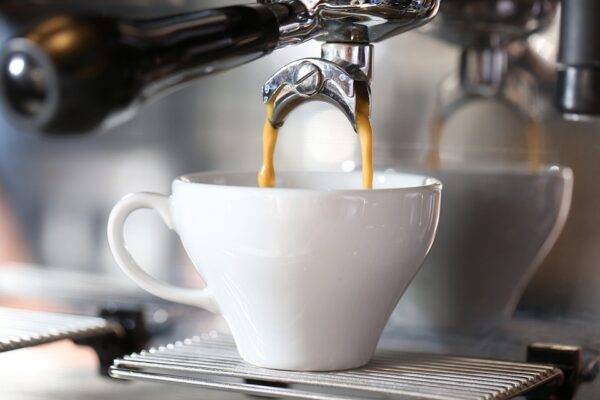
The Best Coffee Beans Delivery services make decaf feel fabulous. They publish procedure and origin, roast weekly or much better, ship naturally, and answer concerns without fluff. Whether you are in a dense city or ordering Coffee Beans Delivery Australia from the much side of the continent, interest to those details builds a consistent pipe of decaf that tastes like coffee you chose, not coffee you cleared up for.
A short buying roadmap for different drinkers
- Espresso with milk most days, one bag a month: pick a sugarcane decaf mix from a roaster that roasts decaf regular. Subscribe and demand Tuesday dispatch to avoid weekend holds. Evening pour overs three times a week: pick Swiss Water single origins that lean chocolate‑citrus, order 2 250 gram bags each month, keep the 2nd in the freezer portioned in a secured jar. Sensitive stomach, wants reduced acidity: Brazil or Peru decaf, medium roast, brew at 92 to 94 C, go for a 1:16 proportion and a gentle pour, maintain frustration low. Light roast fan chasing after fruit: Ethiopian or Kenyan decaf, preferably sugarcane or carbon dioxide, brew hotter at 96 C, utilize a coarser grind and longer flower to maintain structure intact. Office arrangement with an automatic machine: seek decaf labeled "coffee" with tasting notes like chocolate, hazelnut, sugar. Prevent ultra‑light decafs that will channel in super‑autos.
Final checks before you click "acquire"
Step back and consider the basics: process clearness, roast tempo, delivering suitable for your environment, and sincere brew assistance. If you intend to find the very best Coffee Beans Delivery for decaf, prioritize roasters that speak fluently about decaf, not as an afterthought. Keep notes on your mixtures, even simply a line or more in your phone. Patterns emerge swiftly, and you will find out which processes, origins, and roasters hit your preferences.
Decaf has actually grown up. It is no more the consolation reward. With a little treatment on choice and a stable distribution rhythm, your decaf can range from delicious chocolate and almond convenience to brilliant, flower style. Order clever, provide the bag a couple of days, and let the coffee show what it can do.